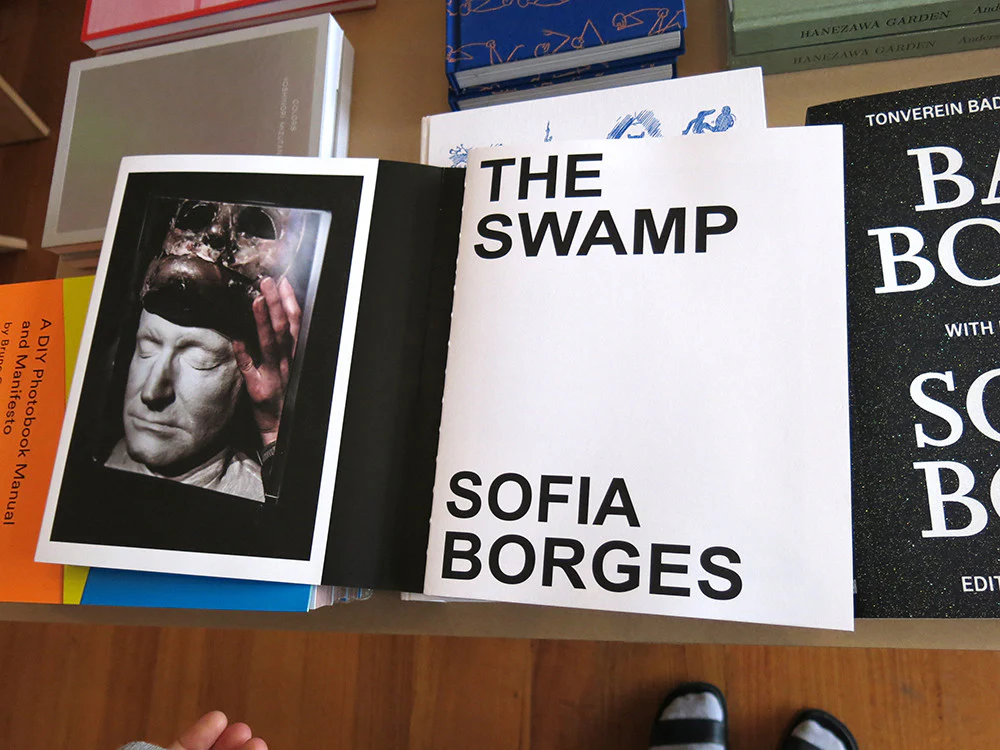


Sofia Borges - The Swamp
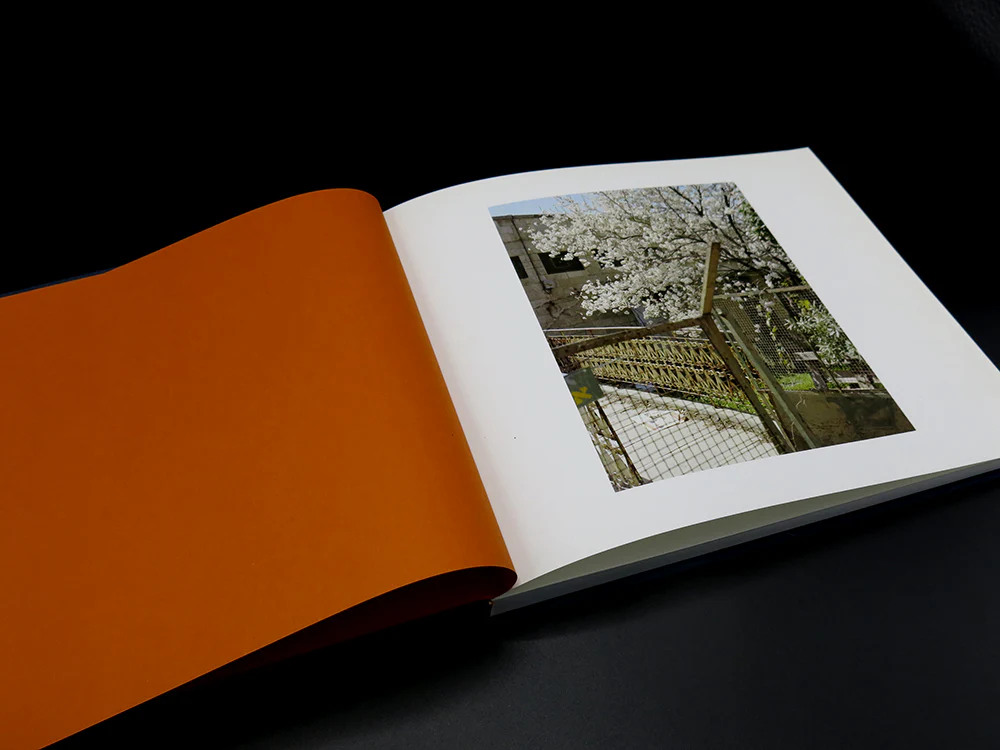
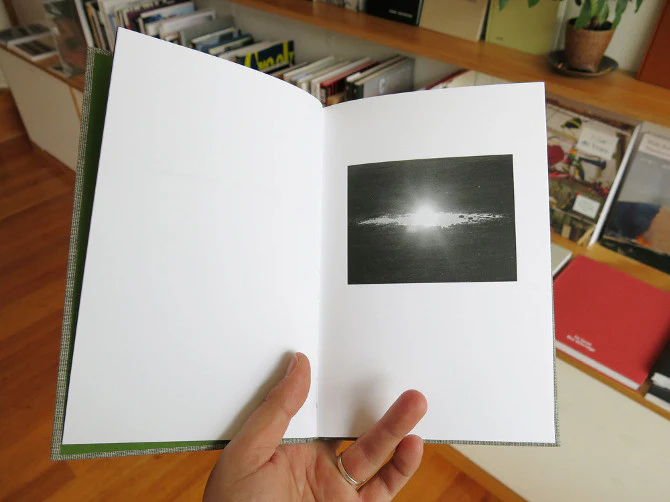
“Reality as mud as dense as air” reads the spine of Sofia Borges’ book The Swamp, and equally, the series of photographs that she presents is as leaden as it is impenetrable. Spanning a seven-year period, it largely records Borges’ countless visits to natural history museums, zoos, aquariums and research centres, where the artifice of reality became her point of focus. For Borges, displays such as habitat dioramas serve as the ultimate form of representation, where objects have the virtuous task of representing “themselves” – a type, genre or group that is inherently bound to language through layers of history and meaning. As a motionless walrus lies in its plastic Antarctic locale and the beady eye of a fossilised bird catches your glance, what glares back at you from the depths of The Swamp is not the thing itself, but the image, of an image, of an image.
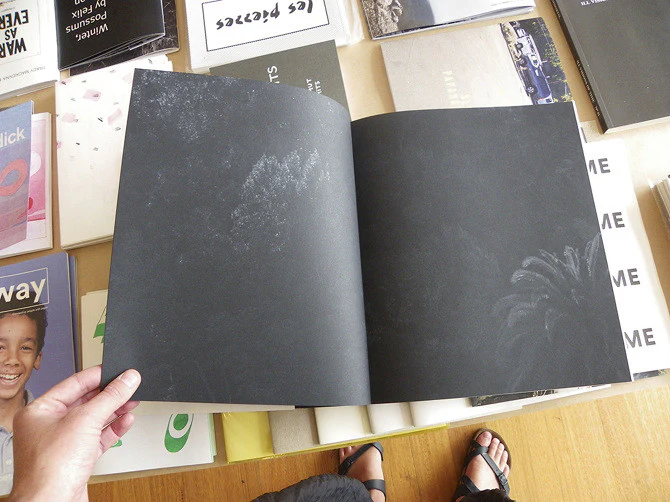
“What I seek are images, which, in their very artifice, are able to present themselves as a problem”, Borges has said. Beyond the comical absurdity of museological spectacles that spawn the living dead, The Swamp takes aim at the notion that images can be “read”. Taking inspiration from the insoluble language of Beckett on the one hand, and the cinematic mind-twists of Lynch on the other, Borges disrupts logical processes of comprehension, offering seemingly random sequences of images, whose monstrous forms and coarse surfaces purposefully assault the senses. Published by MACK (London).
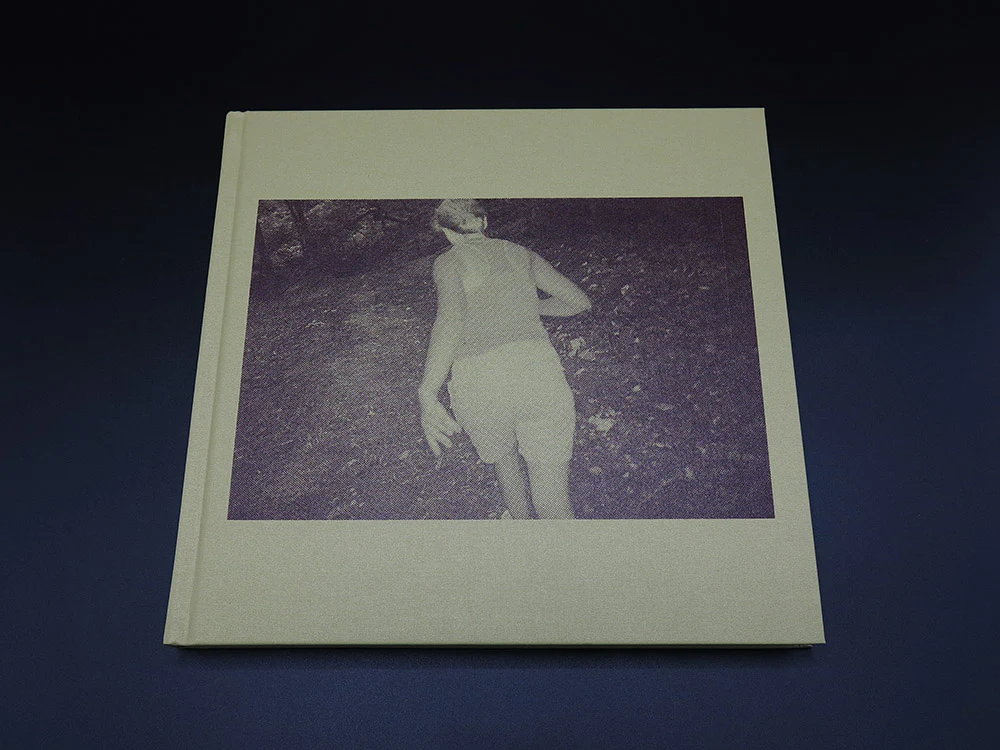
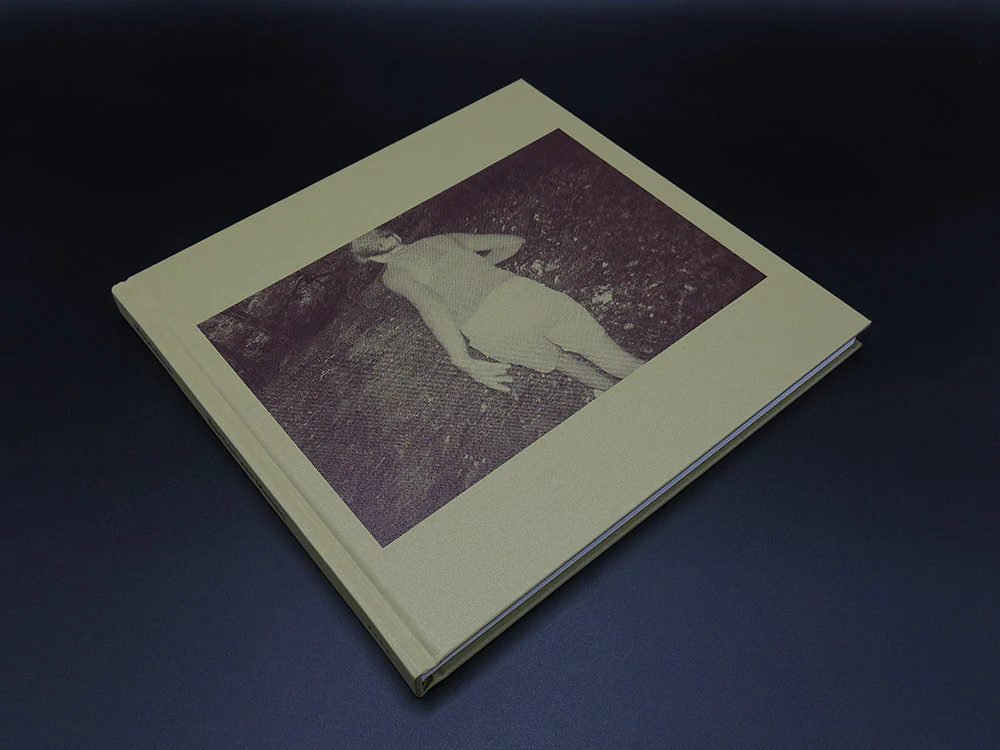
184 pages, 21 cm x 26 cm, softcover, MACK (London).
Product Information
Product Information
Shipping & Returns
Shipping & Returns
Description
“Reality as mud as dense as air” reads the spine of Sofia Borges’ book The Swamp, and equally, the series of photographs that she presents is as leaden as it is impenetrable. Spanning a seven-year period, it largely records Borges’ countless visits to natural history museums, zoos, aquariums and research centres, where the artifice of reality became her point of focus. For Borges, displays such as habitat dioramas serve as the ultimate form of representation, where objects have the virtuous task of representing “themselves” – a type, genre or group that is inherently bound to language through layers of history and meaning. As a motionless walrus lies in its plastic Antarctic locale and the beady eye of a fossilised bird catches your glance, what glares back at you from the depths of The Swamp is not the thing itself, but the image, of an image, of an image.
“What I seek are images, which, in their very artifice, are able to present themselves as a problem”, Borges has said. Beyond the comical absurdity of museological spectacles that spawn the living dead, The Swamp takes aim at the notion that images can be “read”. Taking inspiration from the insoluble language of Beckett on the one hand, and the cinematic mind-twists of Lynch on the other, Borges disrupts logical processes of comprehension, offering seemingly random sequences of images, whose monstrous forms and coarse surfaces purposefully assault the senses. Published by MACK (London).
184 pages, 21 cm x 26 cm, softcover, MACK (London).