



Peter Rauch – 2, 3
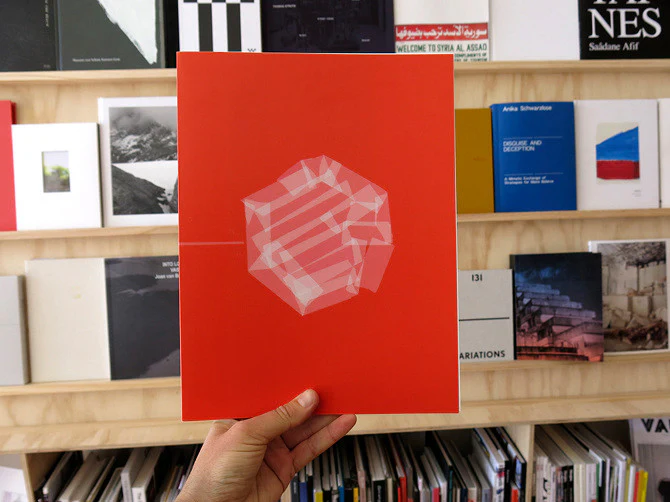
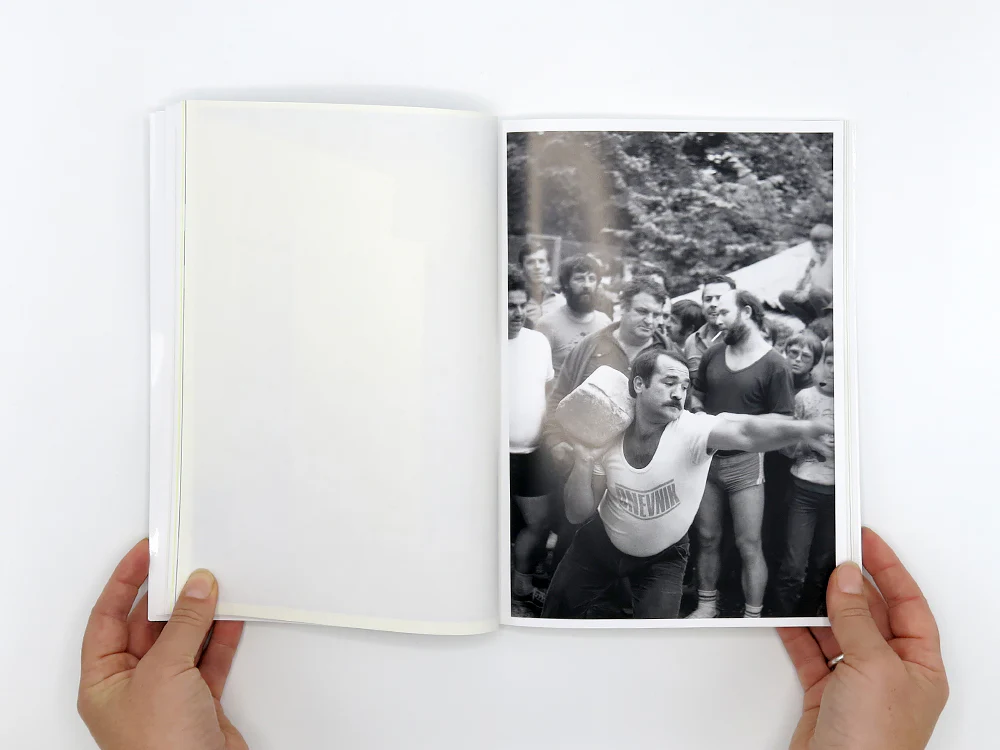
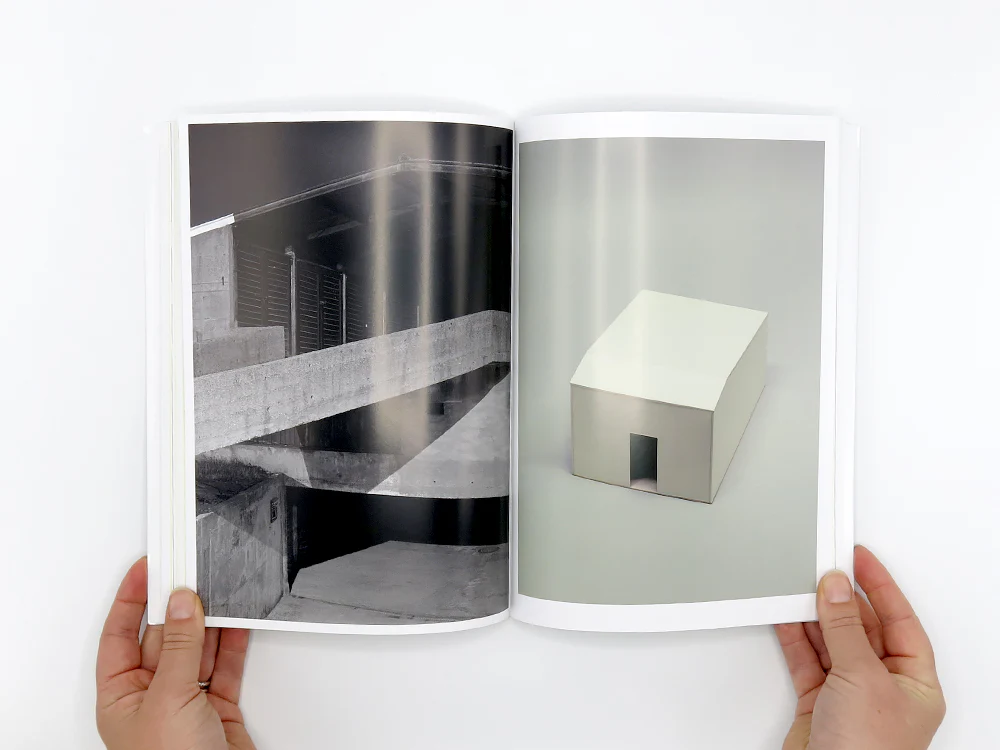
This book gathers a decade (and a bit) of Peter Rauch’s practice into one sequence – photographs, small exhibitions, objects that became images and images that started behaving like objects. It pulls threads from the Objects series (Some Objects and More Objects) and folds in later projects where the camera slips into installation and back again. It’s not a catalogue but a re-cut of sorts.
Peter’s work sits between thinking and making – the architecture of bones; photography in the hands; and theory in the air. He sees ‘objects’ where most people see none: mundane debris, modernist fragments, surfaces and seams; the way a small thing can tilt an entire space; the slight unease when attention locks onto what we usually ignore.
Peter and I grew up just three years apart in Llubljana, Slovenia, where he lives and works – and, more to the point, in that crack between Yogslavia and Slovenia, between late socialism and late capitalism. The grey, dusty, yet vital capital of a socialist republic, now turned into a tourist periphery of Europe. This atmosphere seeps into the pictures – patched asphalt, provisional repairs, leftover structures, thing that feel both temporary and stubborn, suggesting something bygone but hanging on relentlessly as objects and not just in my memory.
Across the decade, Peter’s camera starts staging objects – a pavilion that is also a proposition; cuts into gallery walls; matter moved, stacked, stored, performed (Pavilion, Cross-section, Manipulation). Then there’s the thud and thump of Metalec, where forces and weights become the subject. This book lets those modes talk to each other without polishing the edges, without trying to sort them in any indexical manner. So the sequence here is deliberately intuitive: views turn into objects, objects into images, and back again.
The writing under-explains, but that’s deliberate – the logic is in the cuts, the pivots, the returns. For this presentation, for this book, the loose arrangement and the ‘atmosphere’ (for lack of a better word – surely one should exist in 2025?) simply felt right. – Žiga Testen
Original: $29.08
-70%$29.08
$8.72Product Information
Product Information
Shipping & Returns
Shipping & Returns
Description
This book gathers a decade (and a bit) of Peter Rauch’s practice into one sequence – photographs, small exhibitions, objects that became images and images that started behaving like objects. It pulls threads from the Objects series (Some Objects and More Objects) and folds in later projects where the camera slips into installation and back again. It’s not a catalogue but a re-cut of sorts.
Peter’s work sits between thinking and making – the architecture of bones; photography in the hands; and theory in the air. He sees ‘objects’ where most people see none: mundane debris, modernist fragments, surfaces and seams; the way a small thing can tilt an entire space; the slight unease when attention locks onto what we usually ignore.
Peter and I grew up just three years apart in Llubljana, Slovenia, where he lives and works – and, more to the point, in that crack between Yogslavia and Slovenia, between late socialism and late capitalism. The grey, dusty, yet vital capital of a socialist republic, now turned into a tourist periphery of Europe. This atmosphere seeps into the pictures – patched asphalt, provisional repairs, leftover structures, thing that feel both temporary and stubborn, suggesting something bygone but hanging on relentlessly as objects and not just in my memory.
Across the decade, Peter’s camera starts staging objects – a pavilion that is also a proposition; cuts into gallery walls; matter moved, stacked, stored, performed (Pavilion, Cross-section, Manipulation). Then there’s the thud and thump of Metalec, where forces and weights become the subject. This book lets those modes talk to each other without polishing the edges, without trying to sort them in any indexical manner. So the sequence here is deliberately intuitive: views turn into objects, objects into images, and back again.
The writing under-explains, but that’s deliberate – the logic is in the cuts, the pivots, the returns. For this presentation, for this book, the loose arrangement and the ‘atmosphere’ (for lack of a better word – surely one should exist in 2025?) simply felt right. – Žiga Testen